

Neon Ledger
Financial data visualization engine. Built with WebGL for real-time market streaming.

A curated showcase of high-performance technical implementations and interactive experiences.
Financial data visualization engine. Built with WebGL for real-time market streaming.

Procedural terrain generation system for rapid environment prototyping.

High-frequency trading interface. Handles 50k+ concurrent data streams.

C++ library for cinematic particle effects. Zero garbage collection overhead.
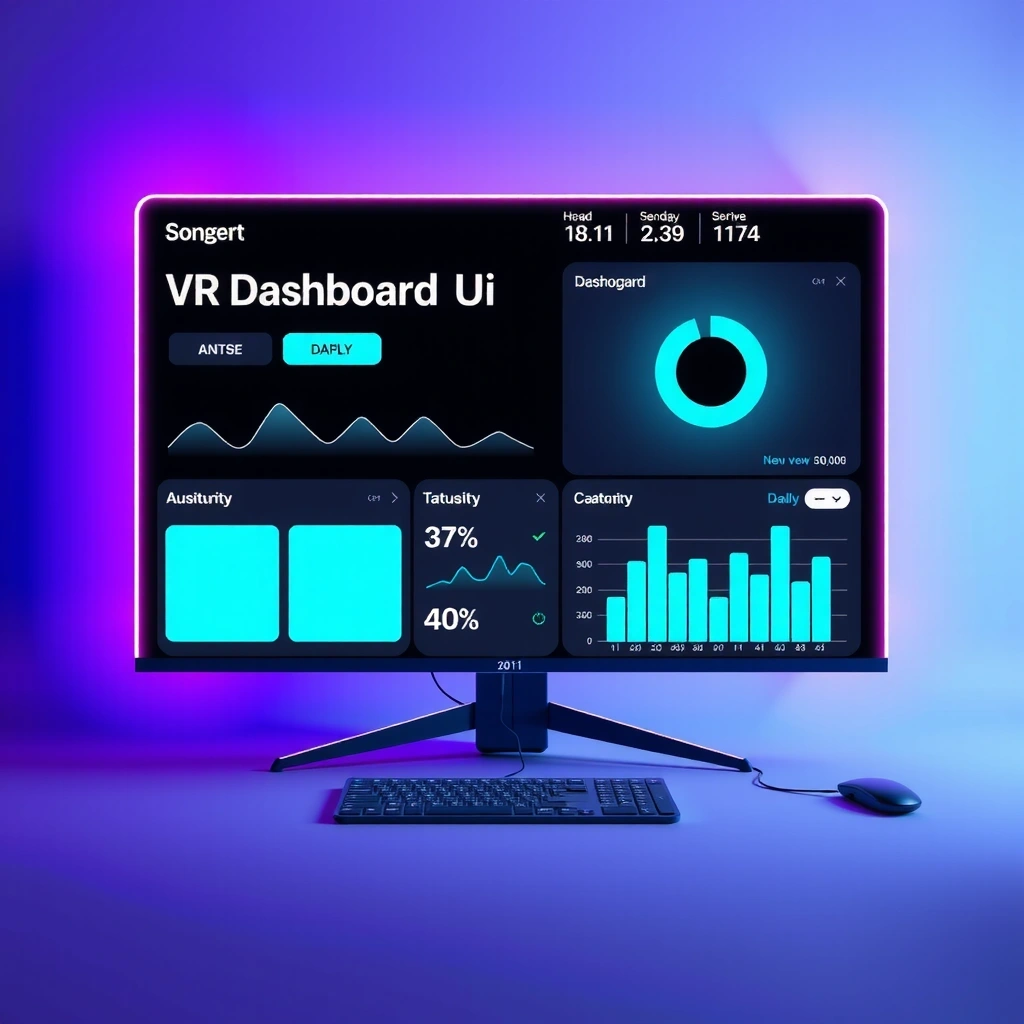
Spatial interface design for immersive analytics environments.

Custom consensus algorithm testing suite for private chains.
We utilise a specialised stack tailored for high-performance graphics and data processing.
Custom render pipelines for mobile performance. Used for AR prototypes and lightweight simulations.
High-fidelity rendering for cinematic experiences. Nanite integration for complex geometry.
Bespoke physics and audio engines. Zero-dependency, memory-safe, single-header modules.
Porting native performance to the browser. Secure sandboxing for client-side calculations.
A practical overview of our core development philosophy. This guide outlines the criteria we use to evaluate technical feasibility and aesthetic integrity for every project.
We strictly adhere to a 16ms frame time (60fps). If a feature cannot run smoothly on mid-tier hardware, it is redesigned. This ensures accessibility across devices.
We prioritise clarity over complexity. Clean lines, readable typography, and intuitive layouts define our visual style. We avoid visual noise that distracts from the core user goal.
Code must be modular. Systems are built with the expectation that they will triple in size. We utilise component-based architecture to isolate logic and dependencies.
Myth: "More pixels = better experience."
Fact: Higher resolution assets increase load times and memory usage. We optimise texture atlases and use LOD (Level of Detail) to maintain fluidity.
Myth: "JavaScript is too slow for heavy math."
Fact: With WebAssembly and optimised loops, modern JS engines can handle complex calculations. It's often an architectural issue, not a language limit.
Interactive simulation demonstrating how our rendering engine visualises market volatility. Use the controls to switch market sentiment and refresh the data stream.
How to use: Select a market sentiment and click "Update Sentiment" to apply visual filters. Click "Refresh Data" to randomise bar heights and colours. The engine calculates layout updates client-side without reloading the page.
Define your project parameters to generate an instant scope estimate. Your selections are stored locally for when you contact our team.
Awaiting configuration...
Select options on the left and click "Save Configuration".
By defining the Genre, Style, and Complexity, we can immediately filter our development methodologies. This saves hours of back-and-forth emails and gives you a grounded starting point for your project roadmap.
Data is stored locally in your browser. You can retrieve it on the Contact Page by referencing the ID.
Our methodology ensures transparency and precision from concept to deployment.
We analyse the brief, define technical constraints, and identify core user flows. No code is written until the architecture is mapped.
Rapid visual mockups and interactive wireframes. We validate the look and feel before committing to the full build.
Clean, modular code. We implement the core logic, optimise for performance, and integrate necessary APIs.
QA testing, security audits, and final launch. We provide documentation and support for the handover.
Whether it is rendering 3D assets in a browser or managing complex state in enterprise applications, our approach remains consistent: efficient algorithms, clean code, and pixel-perfect execution.
 DATA
DATA LOW LATENCY
 SECURE
 PROCEDURAL
Have a technical challenge that requires a custom engine? Need a high-performance web interface? Let's discuss the architecture.